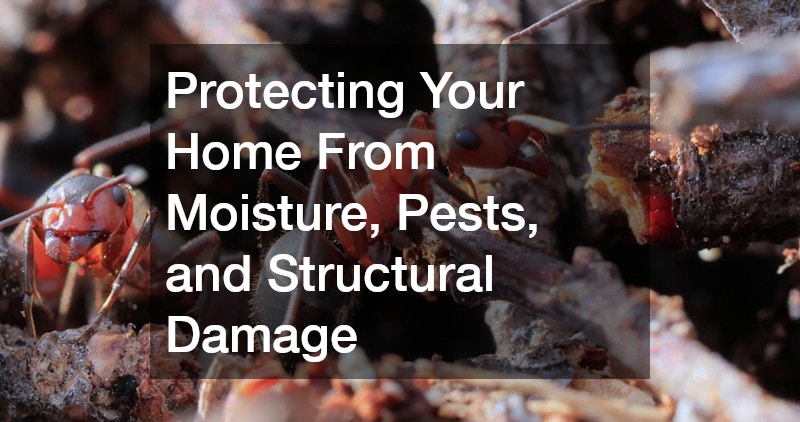
A home faces constant exposure to moisture, temperature fluctuations, pests, and everyday wear. Over time, even small problems can develop into expensive structural issues if they are ignored. A minor plumbing leak may eventually weaken flooring, excess humidity can encourage mold growth, and unnoticed pests may quietly damage wood framing behind walls.
Many homeowners focus only on visible repairs, but protecting a property properly requires a broader preventative approach. Moisture management, routine maintenance, proper ventilation, and regular inspections all work together to preserve a home’s structure and indoor comfort.
Taking action early is one of the best ways to avoid costly emergencies later. Preventative maintenance not only helps protect property value but also improves indoor air quality, energy efficiency, and long-term safety. By understanding how moisture, pests, and structural problems are connected, homeowners can make smarter decisions that strengthen their homes year-round.
Identify Early Warning Signs Before Problems Spread
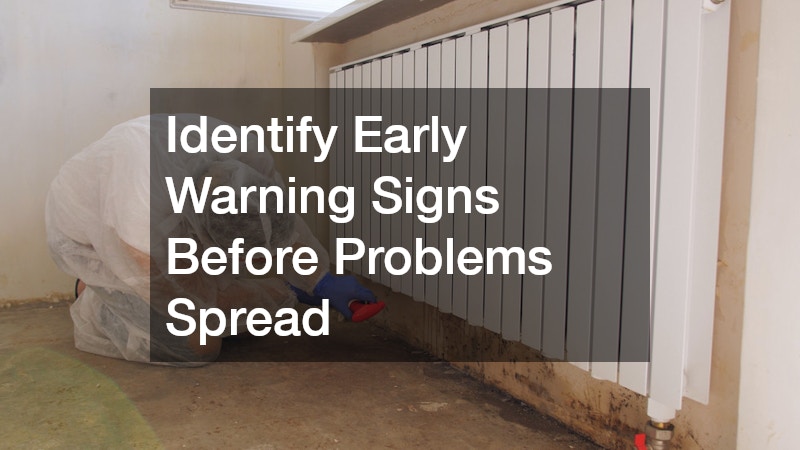
Many serious home issues begin with subtle warning signs that are easy to dismiss. A faint musty smell, a small ceiling stain, or slightly warped flooring may not seem urgent at first, but these issues often indicate hidden moisture or structural concerns developing behind the scenes.
Regular inspections can help homeowners identify problems before repairs become overwhelming. Areas that should receive extra attention include:
- Basements
- Crawl spaces
- Attics
- Utility rooms
- Bathrooms
- Kitchens
- Window frames
- Exterior foundations
Moisture often enters homes gradually through tiny leaks, poor ventilation, or drainage issues. Over time, trapped moisture can weaken wood, damage insulation, encourage mold growth, and attract pests.
Common warning signs homeowners should never ignore include:
- Peeling paint or bubbling drywall
- Soft or sagging flooring
- Condensation on windows
- Increased indoor humidity
- Persistent musty odors
- Cracks in walls or ceilings
- Water stains around fixtures
- Warped trim or cabinetry
Seasonal weather changes can also reveal hidden vulnerabilities. Heavy rain may expose drainage issues, while humid summer conditions can worsen condensation and indoor moisture buildup.
Creating a simple maintenance checklist can help homeowners stay proactive throughout the year. Routine inspections often prevent small concerns from escalating into expensive structural repairs.
Reduce Food and Water Sources That Attract Household Pests
Pests are constantly searching for food, moisture, and shelter. Kitchens, bathrooms, laundry rooms, and basements are particularly attractive because they often provide reliable access to water and hidden hiding spots.
Effective cockroach control begins with eliminating the conditions that attract infestations in the first place. Even tiny crumbs, grease buildup, or moisture around sinks can encourage pest activity.
Important prevention habits include:
- Wiping down countertops daily
- Storing food in sealed containers
- Cleaning beneath appliances regularly
- Fixing dripping faucets promptly
- Emptying trash frequently
- Avoiding standing water near sinks
Cracks and gaps around doors, windows, and utility lines should also be sealed to reduce entry points for insects.
Homeowners dealing with recurring infestations may also need stronger ant control strategies, especially when colonies begin nesting near foundations or inside wall cavities.
Ant prevention methods often include:
- Trimming vegetation near exterior walls
- Removing moisture-damaged wood
- Keeping pet food sealed
- Cleaning spills immediately
- Monitoring outdoor drainage areas
Outdoor maintenance is equally important because pests frequently enter homes from surrounding landscaping. Mulch placed too close to foundations can trap moisture and create ideal nesting conditions.
Consistency is critical for long-term pest prevention. Even occasional lapses in cleanliness or moisture control can encourage pests to return quickly.
Prevent Infestations by Scheduling Routine Professional Inspections
Some pests remain hidden for months or even years before visible damage appears. This is especially true for termites, which can quietly weaken wooden structures over time while homeowners remain unaware of the problem.
A qualified termite exterminator can identify early warning signs that are difficult for homeowners to detect on their own. Professional inspections often reveal hidden structural vulnerabilities before severe damage occurs.
Warning signs of termite activity may include:
- Hollow-sounding wood
- Mud tubes along foundations
- Buckling flooring
- Swarming insects near windows
- Crumbling drywall
- Small piles of discarded wings
Routine inspections from a licensed pest control contractor can help prevent infestations from spreading throughout the home.
Professional preventative services often include:
- Moisture evaluations
- Foundation inspections
- Exterior barrier treatments
- Crawl space assessments
- Entry point sealing
- Monitoring systems
Integrated pest management strategies are especially effective because they focus on long-term prevention rather than temporary solutions.
Homeowners should also understand that pests often thrive in damp environments. Moisture control and structural maintenance play a major role in reducing infestation risks.
Questions homeowners should ask before hiring pest specialists include:
- Are inspections included with treatment plans?
- What preventative strategies are recommended?
- How often should follow-up visits occur?
- Are treatment products safe for pets and children?
- What moisture issues may be contributing to infestations?
Combining preventative maintenance with professional inspections creates a much stronger defense against long-term structural damage.
Improve Indoor Temperature Control While Reducing Moisture Problems
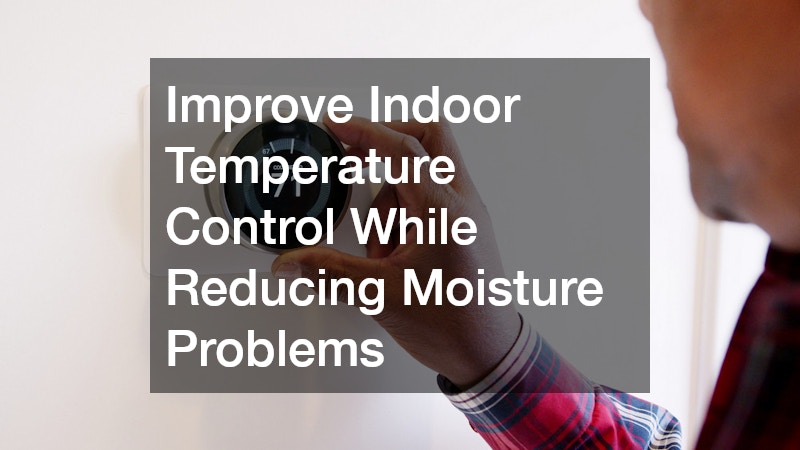
Temperature fluctuations and poor airflow can create condensation problems throughout a home. When warm air meets cooler surfaces, moisture accumulates and increases the risk of mold, wood rot, and insulation deterioration.
Proper insulation helps stabilize indoor temperatures while reducing excess humidity buildup inside walls, attics, and crawl spaces.
Areas commonly affected by poor insulation include:
- Attic spaces
- Exterior walls
- Basements
- Crawl spaces
- Garage ceilings
- Around ductwork
Upgrading older materials can improve both comfort and energy efficiency while helping homeowners manage indoor moisture levels more effectively.
Many homeowners now invest in spray foam insulation services because spray foam creates a tighter air seal than traditional insulation materials.
Benefits of improved insulation systems may include:
- Reduced energy bills
- Lower humidity levels
- Better indoor comfort
- Improved air sealing
- Fewer drafts
- Reduced mold risks
Poorly insulated homes often experience condensation around windows, pipes, and attic spaces. This trapped moisture may eventually damage drywall, framing, and flooring.
Ventilation improvements should also accompany insulation upgrades whenever possible. Exhaust fans, attic ventilation, and crawl space airflow all help regulate moisture more effectively.
Homeowners should periodically inspect insulation for:
- Water stains
- Mold growth
- Compression damage
- Pest activity
- Musty odors
Early intervention helps prevent long-term structural deterioration caused by hidden moisture buildup.
Keep Plumbing Systems From Causing Hidden Water Damage
Water leaks are one of the most common causes of structural damage inside homes. Unfortunately, many plumbing problems develop slowly behind walls, beneath flooring, or inside crawl spaces where they are difficult to detect.
Experienced plumbers can identify early warning signs before leaks create major damage.
Homeowners should watch for:
- Sudden increases in water bills
- Reduced water pressure
- Water stains on ceilings
- Warped flooring
- Dripping sounds inside wthe alls
- Mold or mildew odors
- Damp cabinets beneath sinks
Scheduling routine inspections with a trusted plumbing company can help identify aging pipes, worn fittings, and hidden vulnerabilities before emergencies occur.
Preventative plumbing maintenance may include:
- Pipe inspections
- Water pressure testing
- Drain cleaning
- Water heater evaluations
- Leak detection services
- Fixture inspections
Even small leaks can create major long-term problems when left untreated. Moisture trapped behind drywall or beneath flooring may weaken framing materials and encourage mold growth.
Bathrooms and kitchens are especially vulnerable because plumbing systems are heavily concentrated in these areas.
Homeowners should also inspect:
- Dishwasher connections
- Washing machine hoses
- Refrigerator water lines
- Toilet seals
- Shower caulking
- Sink plumbing connections
Routine maintenance is far less expensive than repairing severe water damage after leaks spread unnoticed.
Address Foundation Moisture Problems Before Structural Damage Develops
Foundation issues often begin with hidden moisture problems beneath the home. Underground pipe leaks, poor drainage, and shifting soil conditions can all contribute to structural instability over time.
One particularly serious issue homeowners should understand is the need for prompt slab leak repair when underground plumbing begins leaking beneath concrete foundations.
Signs of potential slab leaks may include:
- Warm spots on the flooring
- Cracks in walls or flooring
- Damp carpeting
- Unexplained water bills
- Sounds of running water
- Foundation shifting
Professional plumbers use specialized equipment to locate hidden leaks with minimal disruption to the home.
Ignoring underground leaks can lead to:
- Foundation movement
- Mold growth
- Flooring damage
- Soil erosion
- Structural cracking
- Interior moisture problems
Drainage improvements around the property are equally important for protecting foundations.
Helpful preventative strategies include:
- Extending downspouts away from foundations
- Regrading landscaping
- Cleaning gutters regularly
- Installing drainage systems
- Monitoring standing water after storms
Foundation repairs become significantly more expensive when moisture issues are ignored for extended periods. Early intervention helps homeowners avoid major structural restoration later.
Maintain Cleaner Indoor Spaces to Reduce Moisture and Contaminants
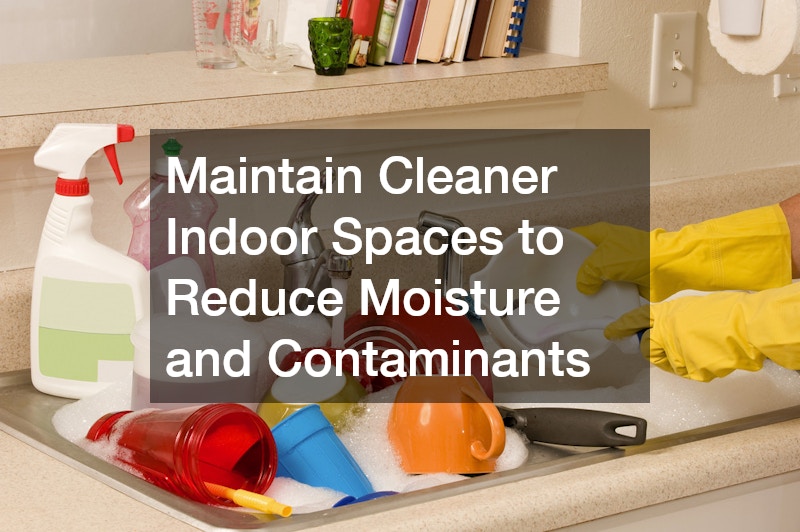
Indoor cleanliness affects far more than appearance alone. Dust, humidity, debris, and poor airflow can all contribute to unhealthy conditions that encourage mold growth and pest activity.
Professional residential cleaning services can help homeowners address hard-to-reach areas where moisture and contaminants tend to accumulate.
Areas that often require deeper cleaning include:
- Air vents
- Baseboards
- Behind appliances
- Bathrooms
- Crawl spaces
- Upholstered furniture
- Carpeted areas
Consistent cleaning reduces dust buildup while helping homeowners identify hidden moisture problems earlier.
In some situations, homeowners may also require a professional mold inspection service if persistent odors, visible discoloration, or unexplained allergy symptoms develop indoors.
Common areas where mold growth may occur include:
- Behind drywall
- Under flooring
- Around windows
- Beneath sinks
- Attic spaces
- HVAC systems
Poor ventilation and excess humidity often contribute to mold development, especially in bathrooms and basements.
Improving indoor airflow can help reduce moisture accumulation by:
- Running exhaust fans regularly
- Using dehumidifiers
- Opening windows when the weather permits
- Cleaning HVAC systems
- Replacing air filters routinely
Maintaining healthier indoor conditions supports both structural protection and overall household comfort.
Protect Bathrooms and Kitchens From Long-Term Water Exposure
Bathrooms and kitchens experience more daily moisture exposure than nearly any other area of the home. Steam, plumbing fixtures, cooking activities, and appliance connections all increase the risk of hidden water damage.
Caulking and grout should be inspected regularly because small cracks can allow water to seep behind walls and beneath flooring.
Homeowners should pay close attention to:
- Shower corners
- Bathtub edges
- Sink backsplashes
- Toilet bases
- Dishwasher areas
- Refrigerator water lines
Ventilation also plays an important role in controlling humidity.
Helpful moisture-control habits include:
- Running exhaust fans during showers
- Wiping down wet surfaces
- Repairing leaks immediately
- Monitoring cabinet interiors for dampness
- Cleaning drains regularly
Cabinets beneath sinks are especially vulnerable because slow leaks may remain hidden for long periods.
Homeowners should also monitor appliance hoses for wear and replace aging water supply lines before failures occur.
Routine inspections of these high-moisture spaces help reduce long-term structural risks while preventing mold and pest issues from developing.
Improve Exterior Drainage Around the Home
Outdoor drainage problems frequently contribute to interior moisture damage. When rainwater collects near foundations, moisture may seep into basements, crawl spaces, and lower walls.
Proper drainage begins with maintaining clean gutters and functional downspouts.
Homeowners should:
- Remove leaves and debris regularly
- Extend downspouts away from foundations
- Inspect gutters for leaks
- Monitor the pooling water after storms
- Check for soil erosion near the home
Landscaping also affects how water moves around a property.
Helpful drainage improvements may include:
- Regrading soil slopes
- Installing French drains
- Using gravel drainage zones
- Planting moisture-absorbing vegetation
- Avoiding excessive mulch near foundations
Poor drainage can create multiple problems beyond water intrusion, including:
- Foundation cracks
- Basement flooding
- Mold growth
- Pest activity
- Wood rot
Outdoor structures should also be inspected regularly for water-related deterioration.
Decks, fences, sheds, and retaining walls may weaken over time when exposed to excessive moisture.
Maintaining strong drainage systems helps protect both the interior and exterior portions of the property.
Create a Seasonal Maintenance Plan for Long-Term Protection

Home protection is most effective when maintenance becomes part of a consistent yearly routine. Waiting until major problems appear often leads to higher repair costs and more extensive structural damage.
A seasonal maintenance plan helps homeowners stay organized while reducing the likelihood of emergencies.
Spring Maintenance Tasks
- Inspect roofing and gutters
- Check crawl spaces for moisture
- Test sump pumps
- Inspect foundations for cracks
- Evaluate exterior drainage
Summer Maintenance Tasks
- Service HVAC systems
- Inspect windows and doors
- Trim vegetation near the home
- Check for pest activity
- Monitor attic ventilation
Fall Maintenance Tasks
- Clean gutters thoroughly
- Seal exterior gaps and cracks
- Inspect insulation areas
- Test emergency systems
- Prepare for colder temperatures
Winter Maintenance Tasks
- Monitor indoor humidity
- Inspect pipes for freezing risks
- Watch for ice dam formation
- Check for condensation problems
- Review emergency supplies
Keeping maintenance records can also help homeowners track recurring concerns and prioritize future improvements.
Long-term preventative maintenance offers several important benefits:
- Reduced emergency repair costs
- Better indoor comfort
- Improved property value
- Lower moisture risks
- Greater structural durability
Consistent attention to small issues helps homeowners avoid much larger problems later.
Conclusion
Protecting a home from moisture, pests, and structural damage requires ongoing attention throughout the year. Small warning signs often point to larger hidden problems that can worsen quickly if they are ignored. By focusing on preventative maintenance, moisture control, proper ventilation, regular inspections, and early repairs, homeowners can reduce long-term risks while preserving the safety and comfort of their living spaces.
Every part of the home works together to support structural stability and indoor health. Managing water intrusion, improving airflow, maintaining plumbing systems, and addressing pest concerns early can help homeowners avoid expensive repairs while extending the lifespan of their property. With a proactive maintenance strategy in place, families can create a healthier, safer, and more resilient home environment for years to come.
