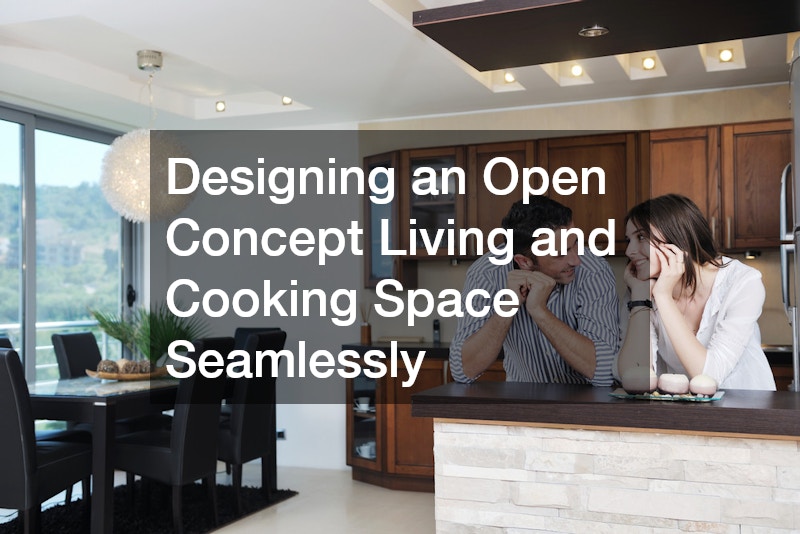
The architectural layout of the modern home has undergone a permanent, revolutionary shift. Gone are the days of compartmentalized residential design, where a maze of dark hallways and heavy plaster walls separated the kitchen from the rest of the household. Today, homeowners overwhelmingly favor open-concept layouts that combine cooking, dining, and relaxation areas into a single, light-filled hub. This fluid approach to design mirrors how contemporary families actually live, transforming the act of food preparation from a solitary chore into a highly social, collaborative experience.
However, executing a successful open layout involves far more than simply knocking down a few partition walls and hoping for the best. The true paradox of an open floor plan is that while the physical boundaries are removed, the functional requirements of each individual area remain completely unchanged. The kitchen must still operate as an efficient workspace capable of managing heat, moisture, and debris. Concurrently, the adjacent living area must function as a tranquil, comfortable oasis dedicated to rest, media entertainment, and casual conversation.
The secret to a successful open-concept renovation lies in a concept known as invisible zoning. This is the art of using subtle visual cues, continuous architectural materials, and meticulously planned utility routing to establish distinct functional “rooms” without relying on physical barriers. When engineered correctly, a seamless open-concept design enhances natural light propagation, improves household foot traffic flow, and creates an incredible sense of spaciousness. This comprehensive guide outlines the critical steps required to plan, engineer, and execute an open-concept transformation that remains deeply functional and visually breathtaking for years to come.
Conceptual Layout: Navigating Walls and Structural Integrity

The initial phase of any open-concept transformation is arguably the most critical: evaluating the structural skeleton of your home. Before you pick up a sledgehammer or finalize your aesthetic vision, you must determine whether the walls you want to eliminate are simple partition barriers or critical, load-bearing spines. Load-bearing structures carry the immense weight of the floors and roof above them down to the foundation, and removing them without proper temporary support and permanent engineered beams can cause catastrophic structural failure.
Navigating this complex architectural puzzle demands a collaborative approach involving structural engineers, design professionals, and highly skilled general craftspeople.
- Retain a licensed structural engineer to inspect your attic, basement, or crawlspace to calculate the precise load distribution of the walls slated for demolition.
- Partner with a comprehensive, big-picture home remodeler to translate your daily lifestyle habits and spatial desires into a structurally sound layout.
- Work closely with a specialized kitchen remodeling contractor who can manage the highly unique, precise construction workflows required for an active cooking zone.
- Establish temporary dust containment barriers to isolate the rest of your home from the massive influx of debris generated during the demolition process.
Once the physical barriers are cleared, your design team will introduce flush-mount or drop-down engineered lumber beams, such as laminated veneer lumber, to handle the weight previously supported by the walls. By addressing these heavy structural realities early with qualified professionals, you create a blank architectural canvas upon which your open-concept dream can safely take shape. This proactive approach not only ensures the structural integrity of your space but also allows for greater flexibility in design. With the framework in place, you can focus on the aesthetic elements, such as lighting and furnishings, that will truly bring your vision to life. Collaborating closely with architects and contractors during this phase will help streamline the process, making it easier to incorporate any unique features you desire.
Subterranean Overhauls: Rerouting Water and Drain Lines
One of the most complex, unseen challenges of creating an open living and cooking space is the drastic relocation of plumbing infrastructure. In a traditional floor plan, water supply lines and drain pipes are hidden vertically inside the very walls you intend to tear down. Furthermore, luxury open-concept designs frequently place the main kitchen sink or a professional dishwasher inside a central island, moving these utility fixtures far away from the perimeter walls of the house.
Because water supply lines are under constant pressure, moving them is relatively straightforward. However, drain lines rely entirely on gravity, requiring a precise downhill slope to function correctly and prevent future blockages across your living room floor.
- Consult early with experienced, large-scale plumbing companies to determine if your subfloor structure can physically accommodate the necessary drain line slopes.
- Determine if your home rests on a concrete slab or a traditional wood-joist subfloor, as concrete requires jackhammering trenches to bury new drainage paths.
- Hire a highly recommended local plumber to safely route new gas supply lines for high-performance island cooktops or professional-grade baking ranges.
- Ensure your plumbing team includes certified residential plumbers who understand how to calculate correct venting loops to prevent sewer gases from entering your open shared spaces.
By tackling these intensive subterranean plumbing overhauls before any finish flooring or cabinetry is introduced, you safeguard your open environment against disastrous leaks and slow-draining lines. Precision engineering beneath the floor ensures that your open-concept island functions with the exact same reliability as a traditional wall-bound kitchen setup.
Invisible Infrastructure: Electrical Grids and Smooth Surfaces

An open floor plan demands a highly sophisticated, multi-zoned electrical framework. In a closed layout, a single overhead light switch per room is often sufficient. In a vast, continuous open space, however, a uniform lighting layout creates a harsh, stadium-like glare that completely eliminates any sense of cozy intimacy. You must design your electrical system around targeted functional zones, utilizing independent dimmers, task lighting, and automated control scenes.
Concurrently, removing walls places immense visual scrutiny on the remaining ceilings and vertical surfaces. Shifting daylight from large windows will expose even minor tape joints or texture imperfections across a long, unbroken ceiling plane.
- Collaborate with a certified master electrician to fish low-voltage wires through joist networks for hidden under-cabinet lighting and flush pop-up counter outlets.
- Position dedicated, high-amperage circuits specifically for high-draw appliances like built-in refrigerators, double wall ovens, and speed-cooking microwaves.
- Install low-profile, ultra-quiet island range hoods that draw smoke and cooking odors horizontally out of the room before they migrate into your upholstered living room furniture.
- Enlist high-end drywall contracting services to skim-coat the entire shared ceiling to a Level 5 finish, achieving an entirely seamless, glass-smooth surface.
Investing heavily in professional drywall finishing and structured electrical zoning forms the invisible foundation of luxury design. When the lighting is balanced and the plaster transitions are completely invisible, the eye moves smoothly across the space, appreciating the vast architectural volume without being distracted by technical flaws.
Material Continuity: Storage Systems and Floor Transitions
Achieving true visual harmony across a combined living and cooking environment requires careful selection of materials. If the kitchen features ultra-modern, high-gloss surfaces while the adjacent living area relies on rustic, traditional elements, the open space will feel fractured and chaotic. To create a seamless transition, design the cabinetry and flooring as a unified, architectural system that flows effortlessly from one functional zone to the next.
The selection of cabinetry style and flooring underfoot forms the visual anchor of the entire open-concept floor plan.
- Design custom kitchen cabinetry that utilizes clean lines, integrated hardware, and panel-ready appliance covers to cleverly disguise dishwashers and refrigerators from living room view.
- Extend wood species or paint colors from the kitchen perimeter into the living space via custom media centers, floating bookshelves, or built-in dining sideboards.
- Select high-performance, completely waterproof luxury vinyl flooring to provide a single, unbroken underfoot foundation that resists kitchen spills while offering cozy warmth.
- Partner with an experienced flooring contractor to perfectly level the underlying subfloor, ensuring the long planks transition smoothly without separating or creaking.
By maintaining material continuity across the entire floor plate, you eliminate the need for ugly metal transition strips or abrupt changes in flooring type. An unbroken, premium underfoot material visually elongates the room, making the overall square footage feel significantly larger, cleaner, and completely cohesive.
Visual Delimitation: Delineating Areas Without Physical Barriers
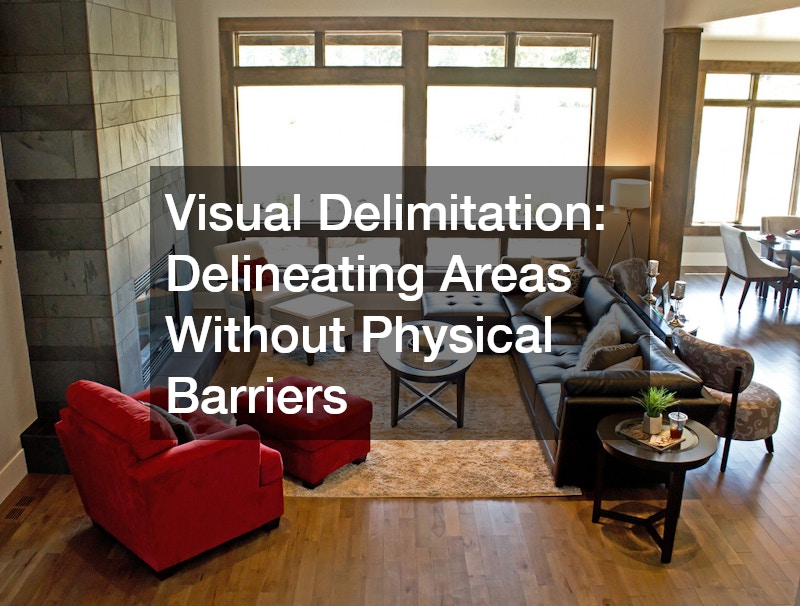
Once the heavy infrastructure, smooth drywall, storage networks, and continuous flooring are firmly established, the final layer of open-concept design relies on furniture placement and tactile textures. Visual delimitation is the art of using movable objects and decorative treatments to define the boundaries of your relaxation, dining, and cooking zones without blocking sightlines or stopping natural light propagation.
Sculpting distinct functional rooms within a large, empty space requires a strategic approach to scaling furniture and layering soft accessories.
- Utilize large, plush, oversized area rugs to firmly anchor the living room conversation area, leaving a clear hardwood boundary as a thoroughfare for the kitchen.
- Position the main living room sofa with its back facing the kitchen island, creating a clear psychological separation between the relaxation zone and the active workspace.
- Incorporate drop-down architectural pendant lighting over the kitchen island and dining table to establish clear focal points that drop from the vast ceiling.
- Utilize contrasting ceiling architecture, such as wrapping the dining area ceiling in rich tongue-and-groove wood paneling while keeping the cooking zone crisp and white.
These decorative boundaries provide the visual structure needed to keep a vast room from feeling empty or uninviting. By treating furniture placement as a form of non-structural architecture, you retain all the airy benefits of an open layout while enjoying the comfort, order, and cozy intimacy of traditionally defined living spaces. Additionally, incorporating various textures and colors can further enhance these boundaries, creating distinct zones that invite relaxation and conversation. Thoughtfully arranged furniture can guide movement through the space, allowing for both social interactions and private moments. Ultimately, this approach to design fosters a harmonious balance between openness and coziness, making the room feel like a true home.
Managing Sound and Odor Propagation in Shared Zones

While the visual and social benefits of open-concept spaces are undeniable, you must proactively plan for the two most common complaints associated with open living: acoustic echo and cooking odors. In an open layout, the sound of a roaring dishwasher, a high-speed blender, or sizzling pans can easily disrupt someone trying to watch a movie or read a book in the adjacent living room. Without a strategy for mitigation, your sanctuary can quickly become a sensory overload zone.
Managing the unseen atmospheric elements of an open layout requires balancing hard, reflective surfaces with soft, sound-absorbing elements and high-performance ventilation.
- Select premium, ultra-quiet kitchen appliances engineered to operate below forty decibels, ensuring that running a wash cycle does not interfere with living room conversations.
- Incorporate extensive soft textiles into the living zone, such as heavy floor-to-ceiling drapery, acoustic wall panels disguised as artwork, and deep upholstered sectionals.
- Install high-capacity, inline remote blower fans for your range ventilation system, which places the loud exhaust motor far away in the attic or exterior wall.
- Utilize indoor air purification units tucked discreetly behind furniture to rapidly scrub volatile organic compounds and persistent cooking scents from the air.
By addressing sound and odor dynamics during the early construction phase, you preserve the peaceful ambiance of your shared environment. This attention to sensory detail ensures that the mechanical realities of cooking never compromise the relaxation and tranquility of your living space. Thoughtful design choices, such as soundproofing and efficient ventilation systems, can significantly enhance the overall experience of your home. Additionally, incorporating materials that absorb noise and filters that minimize odors can create a harmonious atmosphere where everyone can feel at ease. Ultimately, these elements contribute to a living space that fosters comfort and connection among its inhabitants.
Conclusion
Designing a seamless open-concept living and cooking space is a deeply rewarding architectural journey that permanently transforms how you interact with your home. Success relies on looking past the purely cosmetic details and dedicating your initial energy to the invisible infrastructure that makes a multi-functional room comfortable. From the precision engineering of load-bearing support beams to the complex calculations of subterranean plumbing and the strategic implementation of multi-zoned lighting grids, every single step plays a vital role in the final harmony of the environment.
While managing a renovation of this scope requires considerable patience, a realistic financial allocation, and a highly coordinated assembly of specialized trade professionals, the ultimate payoff is entirely unmatched. You are not merely changing the appearance of your walls; you are creating a cohesive, light-filled sanctuary that breaks down social barriers and brings people together. With a meticulous design strategy and an unwavering commitment to structural quality, your open layout will stand as a beautiful, highly functional testament to modern residential living for decades to come.
