
Maintaining a property requires constant vigilance, thoughtful planning, and an understanding of how distinct physical elements work together to preserve comfort, safety, and monetary value. For many individuals, owning a piece of real estate represents the single largest financial commitment of their lifetime. Protecting that investment demands going beyond simple surface aesthetics to ensure every underlying system functions flawlessly. From the high peak of a building overhead to the deep subsurface aquifers supplying clean running water, every component plays a pivotal role in creating a functional living space. A proactive approach prevents small, unnoticed issues from ballooning into catastrophic, costly disasters down the road. Property management isn’t merely about addressing sudden emergencies as they arise; it’s about establishing routine evaluations, recognizing subtle signs of wear, and taking decisive preventive measures long before a critical failure occurs.
1. Protecting Your Overhead Sanctuary
Upper physical barriers bear the full brunt of environmental exposure daily, enduring scorching sun rays, heavy torrential downpours, freezing ice, and high wind gusts. Inspecting these overhead surfaces regularly is essential for catching cracked materials, loose flashing, or degraded underlying underlayment before moisture finds a path inside. Water infiltration can rot wooden framing, ruin ceiling drywall, and encourage mold growth within structural cavities long before wet spots become visible on internal walls. Performing visual checks from ground level or safely climbing a ladder after severe weather events allows you to spot missing shingles or compromised seams. Promptly addressing minor defects through qualified roof repairs stops localized deterioration from spreading across the entire overhead framing structure, preserving overall building integrity.
Key inspection items for upper physical barriers:
- Examining surface materials for cracks, curling edges, or bald spots missing protective granules.
- Checking metal flashing around chimneys, vent pipes, and skylight edges for rust or gap formation.
- Clearing away accumulated tree branches, leaves, and organic debris that trap standing moisture.
- Verifying that internal attic spaces remain dry, well-ventilated, and free of unexpected light leaks.
2. Directing Moisture Away From The Base

Controlling water flow around a building is fundamental to preserving the stability of the lower foundation. When heavy rain falls onto an overhead structure, hundreds of gallons of water must be safely captured and directed away from the perimeter. Uncontrolled runoff cascades directly along outer walls, pooling around the base where it can seep into basement walls, erode topsoil, or cause severe structural settling over time. Ensuring that drainage pathways remain clear, properly angled, and securely fastened is critical during wet seasons. Professional gutter installation ensures that water is captured effectively and directed through downspouts without overflowing onto lower exterior surfaces or saturating the earth immediately surrounding the concrete base.
Essential drainage maintenance tasks:
- Cleaning out trapped leaves, twigs, and dirt from upper drainage troughs at least twice a year.
- Ensuring downspouts extend several feet away from lower wall foundations to prevent soil erosion.
- Verifying that mounting brackets and support hangers remain firmly anchored to the trim boards.
- Inspecting channel seams and end caps for drips, gaps, or signs of water leakage during heavy downpouts.
3. Preserving Exterior Surfaces and Walls
Exterior siding, brickwork, and wooden surfaces continuously collect dust, pollen, mold, mildew, and airborne contaminants over time. This buildup doesn’t merely look unsightly; organic growths like moss and algae trap moisture against exterior materials, eating away at protective coatings, rotting wood, and degrading delicate siding over long periods. Periodic washing restores visual brightness while removing harmful organic matter that compromises exterior longevity. Engaging experienced local roof and house washing companies provides specialized soft-washing techniques that thoroughly sanitize surfaces without stripping protective paint or damaging delicate building materials.
Benefits of professional exterior cleaning:
- Eliminating destructive algae and black lichen before they breach outer weather barriers.
- Restoring natural curb appeal, vibrant paint colors, and clean lines without abrasive damage.
- Removing embedded allergens, dirt, and pollutant film from exterior window frames and trim.
- Extending the working lifespan of siding, stone veneers, and exterior wooden accents.
4. Navigating Heavy Vegetation and Wild Terrain
Uncontrolled growth, dead trees, and dense underbrush present serious physical hazards to structural integrity, utility lines, and overall fire safety. Overhanging limbs can drop heavy branches during high wind storms, crushing overhead roofs or tearing down electrical lines. Furthermore, thick brush growing too close to a structure blocks air circulation, traps heavy dampness, and provides an easy highway for destructive pests like carpenter ants and termites to access your home. Utilizing professional lot clearing services helps clear away dangerous fallen timber, remove invasive brush, and create safe defensible spaces around all major property structures.
Key advantages of systematic land management:
- Creating designated safety zones that reduce wildfire risks near primary living quarters.
- Eliminating overgrown breeding habitats for rodents, ticks, and wood-destroying insects.
- Improving air circulation around exterior walls to reduce chronic dampness and mold growth.
- Opening up usable outdoor space for future additions, gardens, or outbuilding construction.
5. Keeping Driveways and Parking Areas Orderly
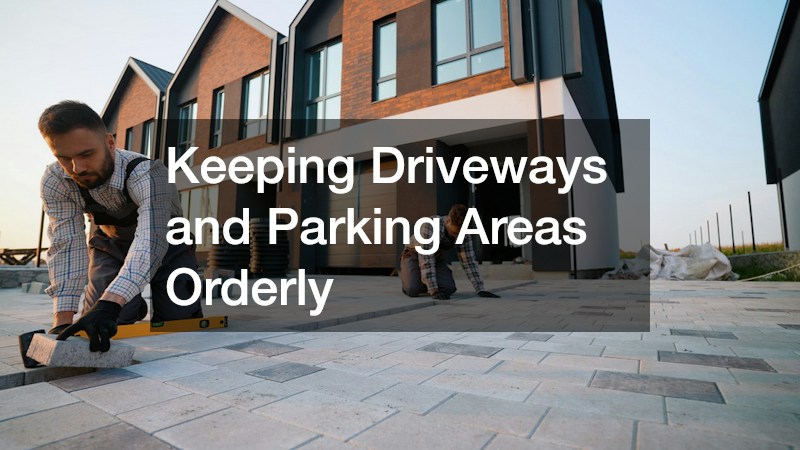
Outdoor ground surfaces like asphalt driveways, commercial parking pads, and private access roads endure constant automotive weight, oil drips, and harsh weather cycles. Over time, sunlight breaks down asphalt binders, causing surfaces to fade, crack, and lose clear organizational lines. Preserving paved zones requires applying protective sealants and maintaining highly visible directional boundaries. Hiring a professional pavement marking company ensures that parking spaces, crosswalks, directional arrows, and property boundaries remain crisp, highly visible, and fully compliant with local accessibility standards.
Why clear surface marking matters:
- Maximizing parking efficiency and organizing traffic movement safely across private lots.
- Enhancing overall property organization, curb appeal, and commercial professionalism.
- Improving night visibility for drivers entering or exiting multi-vehicle parking areas.
- Designating specific emergency zones, loading areas, and handicap access paths clearly.
6. Ensuring Structural Electrical Safety
A property electrical system forms the invisible backbone that powers daily life, running everything from kitchen appliances to security systems and interior lighting. Overloaded circuits, outdated wiring, and degraded breaker panels present severe operational bottlenecks and significant safety hazards. Inspecting electrical panels for signs of scorch marks, buzzing sounds, or frequent breaker trips is an essential quarterly maintenance habit. Modern households continually add high-draw electronic equipment, making it vital to ensure your central electrical infrastructure can handle power loads safely without overheating interior wiring pathways.
Essential electrical health checks:
- Testing all ground fault circuit interrupter outlets in kitchens, bathrooms, and outdoor zones.
- Verifying that main circuit breaker panels operate without excessive heat or unusual humming noises.
- Inspecting visible wiring in basements and attics for frayed insulation or animal chew marks.
- Replacing outdated, flickering lighting fixtures with energy-efficient, low-draw alternatives.
7. Securing Indoor Air Quality and Zoned Comfort
Maintaining modern interior climate control requires efficient, reliable heating and cooling equipment that can adapt to changing seasonal demands. Many homes feature specialized additions, historic layouts, or localized living areas where traditional ducted heating systems fall short. In these scenarios, compact wall-mounted heating and cooling units provide precise temperature management directly where it’s needed most. Scheduling routine ductless mini split services ensures that air filters remain clean, condensate lines drain freely, and refrigerant levels stay balanced for maximum operational energy efficiency.
Key maintenance steps for localized cooling and heating:
- Washing or replacing specialized dust filters monthly to maintain clear internal airflow.
- Clearing biological growth and dust buildup from internal blower wheels and evaporator coils.
- Inspecting exterior compressor units to remove surrounding leaves, dirt, and weeds.
- Checking condensate drain lines to prevent internal water overflows and localized wall dampness.
8. Managing Subsurface Water Supply Infrastructure
For properties relying on private underground water sources rather than municipal utility hookups, maintaining the physical pumping equipment and deep well infrastructure is vital for daily living. Underground water systems consist of complex subsurface pumps, pressure tanks, electrical relays, and sanitary wellhead caps designed to deliver clean water continuously. Partnering with reputable water well drilling companies ensures that deep wells are properly cased, pump mechanics function at correct pressures, and nearby ground sources don’t contaminate drinking supplies.
Critical private water system checks:
- Testing output water quality annually for bacteria, nitrates, heavy metals, and dissolved minerals.
- Inspecting the physical well cap to ensure it remains sealed against insects and surface runoff.
- Checking pressure tank operation to prevent pump rapid cycling and motor burnout.
- Monitoring pump flow rates to detect changes in underground water table levels early.
9. Elevating Interior Hydration Quality
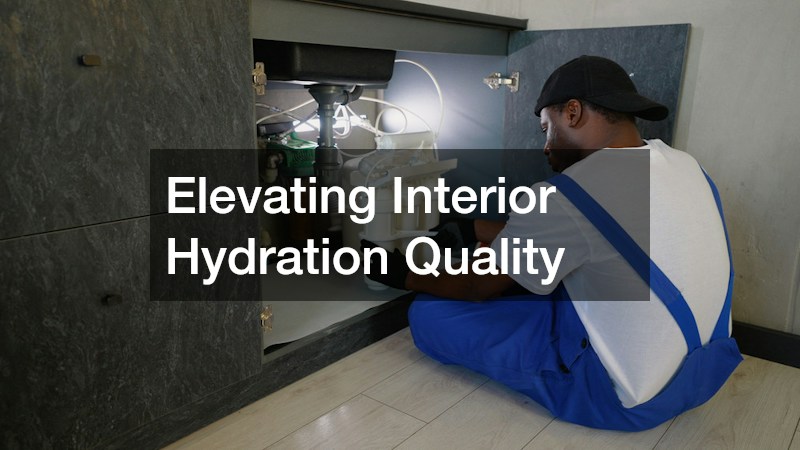
Even when water arrives reliably at your structure, it often carries harsh minerals, chlorine, sediment, or subtle chemical contaminants that affect taste, odor, and fixture longevity. Hard water minerals accumulate inside pipes, water heaters, and internal appliances, creating stubborn scale buildup that reduces water flow and causes premature equipment failure. Scheduling regular water filter service keeps filtration media, reverse osmosis membranes, and water softening systems operating at peak efficiency to purify every gallon entering your home.
Benefits of maintaining home water filtration:
- Eliminating unpleasant sulfur smells, metallic tastes, and chemical odors from tap water.
- Preventing limescale buildup inside water heaters, dishwashers, and internal plumbing pipes.
- Extending the operational lifespan of high-end kitchen fixtures and shower valves.
- Ensuring drinking water remains free from microscopic sediment, heavy metals, and impurities.
10. Safeguarding Fuel Lines And Heating Systems
Gas-powered appliances, water heaters, and furnace systems deliver powerful, highly efficient heating, but they require uncompromising safety oversight. Fuel supply lines must remain completely airtight, properly regulated, and free from physical damage or corrosion. Catching tiny line degradations early is critical for home safety, as uncontained fuel leaks threaten life and property. Recognizing the warning signs of gas leaks—such as a distinctive rotten-egg smell, unexplained dead vegetation near underground supply lines, or hissing sounds near connection valves—allows residents to act swiftly, evacuate, and contact emergency utility services immediately.
Crucial fuel system safety protocol:
- Installing and testing carbon monoxide detectors on every level of the living environment.
- Inspecting flexible metal gas connector hoses for kinks, corrosion, or material degradation.
- Scheduling annual professional inspections for furnaces, boilers, and gas water heaters.
- Keeping areas surrounding gas appliances free from flammable materials, paper, and clutter.
11. Crafting Custom Structural Components and Metalwork
Heavy metal features throughout a property—including entry gates, decorative railings, fire escapes, custom brackets, and structural steel supports—require ongoing inspection to prevent corrosion and structural weakening. Metal components exposed to rain and humidity will eventually rust if their protective paint or powder coatings become chipped or weathered. Working with professional metal fabrication services allows property owners to repair damaged metal structures, reinforce load-bearing frames, or craft custom architectural features built to withstand severe environmental stress.
Key applications for custom metalwork maintenance:
- Inspecting outdoor railings and handrails to ensure mounting anchors remain rock solid.
- Treating exposed steel surfaces with rust-inhibiting primers and weather-resistant topcoats.
- Reinforcing weakened structural beams, trailers, or custom equipment mounts through welding.
- Designing bespoke architectural gates, window security guards, and decorative metal features.
12. Maintaining Interior Woodwork and Finishes

Interior wooden elements like hardwood flooring, decorative trim, cabinetry, and custom doors bring warmth, texture, and character into a living environment. However, wood is an organic material that reacts continuously to shifting humidity levels, seasonal temperature swings, and daily physical wear. High humidity causes wood fibers to expand and swell, potentially leading to sticking doors or cupped floorboards, while excessively dry winter air causes shrinkage, gaps, and surface cracking. Protecting interior wood requires controlling indoor humidity levels while applying protective finishes that seal surfaces against moisture, food spills, and foot traffic scratches.
Essential care steps for indoor woodwork:
- Maintaining relative indoor humidity levels between thirty and fifty percent year-round.
- Cleaning wooden surfaces with specialized, non-abrasive cleaners that preserve protective topcoats.
- Applying protective floor pads beneath heavy furniture legs to prevent deep gouges and scratches.
- Inspecting baseboards and door casings periodically for signs of moisture staining or wood-boring pests.
Ultimately, successful property ownership comes down to proactive stewardship rather than reactive crisis management. While many basic cleaning and inspection tasks can be easily managed through regular weekend walkthroughs, knowing when to partner with certified, experienced trade specialists ensures complex mechanical, structural, and utility work is completed safely and to code. By taking pride in every detail you create a safe, resilient, and beautiful sanctuary built to stand strong against time and the elements. Use this ultimate checklist as your ongoing roadmap to protect your property, preserve your peace of mind, and enjoy your physical sanctuary to its absolute fullest potential.
