A home is far more than a simple structure providing shelter from the elements; it is an interconnected ecosystem directly influencing physical health, daily stress levels, and overall well-being. Indoor atmosphere and comfort depend on delicate balances between thermal regulation, humidity control, air purity, and acoustic isolation. When one component of the building envelope or mechanical infrastructure begins to fail, the entire domestic environment suffers. Micro-climates within individual rooms can shift dramatically, causing drafty corridors, muggy basements, persistent dust accumulation, and fluctuating temperatures that force heating and cooling systems to work overtime.
Shifting from a reactive approach—where home systems are addressed only after an catastrophic failure occurs—to a strategic, preventative maintenance model is essential for maintaining consistent living comfort. Proactive upkeep isolates vulnerable entry points, preserves mechanical efficiency, and shields the building structure from environmental decay. By viewing home maintenance through the lens of environmental control, homeowners can systematically audit, repair, and optimize every primary boundary between their living spaces and the outside world.
Calibrating Airflow Systems and Optimizing Mechanical Efficiency

The heating, ventilation, and air conditioning system acts as the respiratory network of the home, responsible for circulating clean air while regulating temperature and moisture levels. Over months of continuous operation, internal components accumulate dirt, dust, and microscopic debris, which restrict airflow and force blowers to work harder to maintain set thermostat temperatures. Regular mechanical calibration ensures that airflow remains balanced across all levels of the residence, preventing stagnant pockets of warm or humid air from settling in specific rooms.
To maintain peak atmospheric clarity and operational efficiency, homeowners should execute structured upkeep routines on a seasonal basis:
- Schedule annual system diagnostics through a licensed air conditioning repair company to evaluate electrical connections, test system refrigerant levels, and clean the evaporator and condenser coils.
- Replace standard fiberglass air filters every 60 to 90 days with high-efficiency pleated filters rated MERV 11 or higher to effectively capture pet dander, pollen, and microscopic particulate matter.
- Inspect supply and return registers in every room, clearing away dust build-up and ensuring furniture or drapes do not obstruct forced-air pathways.
- Balance system dampers during seasonal transitions to direct cooler air toward upper floors during summer months and warm air toward lower levels during winter.
- Clean fan blades and motor housings within furnace blowers to maintain optimal static pressure throughout duct networks.
- Seal visible duct joints in unconditioned spaces like attics or basements using mastic sealant or foil tape to prevent conditioned air loss.
- Flush condensate drain lines regularly with diluted vinegar to prevent algae clogs and water backup in mechanical drain pans.
While routine maintenance prolongs system longevity, mechanical equipment eventually reaches a point of diminishing returns. When an aging system consistently fails to lower ambient humidity or consumes excessive electricity, upgrading to modern equipment becomes the most effective path toward restoring indoor comfort. Professional air conditioning installation ensures that the new unit is properly sized using precise heat-load calculations rather than outdated square-footage estimates. Correct sizing prevents short-cycling—a condition where a system turns on and off rapidly without running long enough to remove ambient moisture—ensuring that every room benefits from steady, dehumidified, and clean airflow year-round.
Controlling Thermal Radiation and Isolating Perimeter Openings
Solar radiation entering through exterior glass can dramatically alter the indoor microclimate, creating uncomfortable hot spots and forcing air systems to run continuously. Windows represent one of the weakest thermal boundaries in a residential structure, allowing unwanted solar heat gain in summer and substantial radiant heat loss during winter. Managing solar entry points allows homeowners to stabilize room-by-room temperatures without constantly adjusting the thermostat.
Implementing targeted thermal barriers across vulnerable perimeter openings significantly reduces heat transfer:
- Apply professional-grade residential window tinting to sunny south- and west-facing glass exposures to reject infrared light, diminish direct glare, and cut ambient room temperatures by several degrees.
- Install high-performance cellular shades or insulated thermal drapes over large window bays to create a dead-air space that slows conduction.
- Audit window frame perimeters during windy weather using a thermal leak detector or smoke pencil to reveal hidden seal failures along the casing.
- Re-caulk exterior window perimeters using flexible polyurethane sealant to block air infiltration without cracking under temperature swings.
- Install low-emissivity storm windows over single-pane glazing to create an extra protective insulating air pocket.
- Check door sweeps and perimeter weatherstripping on all exterior entry doors, replacing worn vinyl or foam seals to eliminate bottom gaps.
- Apply reflective solar films to skylights to reduce intense overhead glare and localized thermal spikes in high-ceiling rooms.
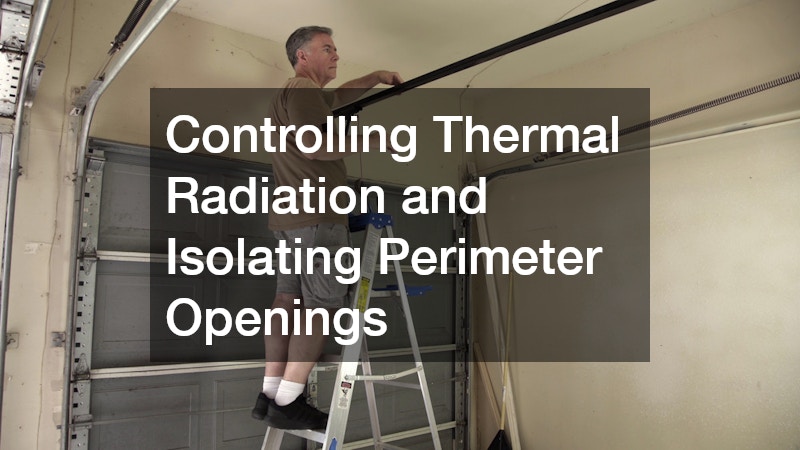
Beyond standard windows, large functional openings like attached garages represent massive thermal voids. An uninsulated or poorly sealed garage door allows extreme outside temperatures to penetrate directly into adjacent living quarters, creating cold floors above and drafty interior hallways. Utilizing local garage door repair services to replace brittle bottom weatherstrips, adjust loose track alignments, and install insulated door panels prevents severe temperature migration. Properly sealing this massive structural entry point prevents cold or hot exterior air from breaching the home envelope, maintaining consistent thermal balance in bordering rooms.
Regulating Water Delivery and Securing Pressurized Piping
Domestic water management plays a hidden yet decisive role in preserving indoor air quality and structural stability. Pressurized supply lines carry hundreds of gallons of water through ceiling cavities and interior walls every day. Unnoticed micro-leaks, pressure spikes, or slow fitting failures release steady moisture into concealed spaces, spawning mold colonies that degrade indoor air quality long before surface damage becomes visible.
Maintaining a healthy internal moisture profile requires continuous monitoring of water delivery infrastructure:
- Connect with qualified plumbers to perform periodic static pressure checks on main supply lines, ensuring internal pressure stays safely within the recommended 40 to 60 PSI range.
- Replace standard rubber washing machine supply hoses with braided stainless steel lines that resist bursting under sudden pressure surges.
- Install smart water leak detection sensors beneath key fixtures, including sinks, dishwashers, and ice makers, to receive immediate mobile alerts upon contact with liquid.
- Inspect exposed plumbing connections under cabinets and in utility spaces monthly for subtle white mineral crusting or greenish corrosion indicative of slow weeping leaks.
- Insulate unheated supply pipes in exterior walls, crawl spaces, and attics with foam pipe sleeves to avoid freeze-thaw cycles.
- Test water pressure regulator valves annually to guarantee that municipal pressure fluctuations do not strain household fixtures.
- Clear aerators and showerheads quarterly using vinegar bath soaks to eliminate mineral scaling and ensure steady water flow.
Equally important to indoor comfort is the reliable delivery of hot water for daily hygiene and sanitation. Over time, water heaters accumulate mineral sediment at the bottom of the tank, creating an insulating layer that forces heating elements to run longer, degrades water purity, and reduces total hot water capacity. Enlisting specialized water heater repair services to flush accumulated sediment, inspect internal anode rods, and recalibrate temperature settings restores swift recovery times and prevents thermal shock in the home. Consistent, clean hot water delivery enhances daily comfort while safeguarding against catastrophic tank ruptures that introduce immense volumes of moisture into living areas.
Blocking Subterranean Moisture and Safeguarding Foundations
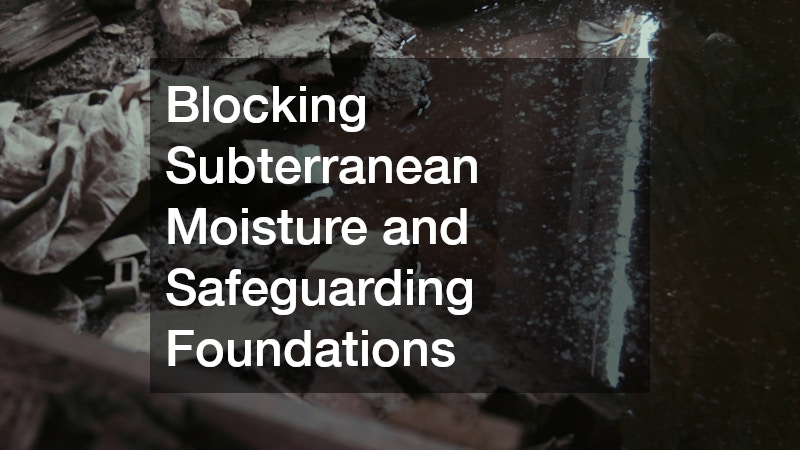
Foundations sit in direct contact with damp soil, making them highly susceptible to hydrostatic pressure and capillary action. Hydrostatic pressure forces groundwater through minute pores and micro-fissures in concrete walls, while capillary action wicks moisture upward into framing materials. When ground moisture migrates into basements or crawl spaces, relative humidity spikes throughout the entire house due to the stack effect—a physical phenomenon where warm air rising out of upper levels draws lower-level air upward into main living areas.
Defending the lower envelope against subterranean moisture intrusion involves systematic structural controls:
- Work alongside certified local waterp roofing contractors to install interior perimeter drain tiles, heavy-duty vapor barriers, and high-performance sump pump systems equipped with battery backups.
- Position downspout extensions at least six to eight feet away from foundation walls to keep heavy rainwater runoff from pooling along the perimeter.
- Grade surrounding soil away from the foundation at a slope of at least six inches over the first ten feet to naturally shed surface water.
- Maintain ambient basement humidity below 50 percent using a dedicated, continuous-drain dehumidifier to prevent dust mite proliferation and airborne fungal spores.
- Seal foundation wall cracks and honeycombed concrete with expansive polyurethane injection foams to block water ingress.
- Install backwater valves on sewer main lines to prevent municipal stormwater backups from surging into lower-level drains.
- Clean sump pump basins and test float switches monthly to ensure continuous operation during heavy rainfall events.
If ground moisture or heavy rainfall breaches the lower envelope, rapid remediation is crucial to preserve indoor air quality and prevent structural decay. Professional local water damage repairs ensure that saturated drywall, subflooring, and insulation are completely dried or removed under controlled negative air pressure. Addressing water intrusion instantly eliminates trapped dampness, protects wooden structural framing from wood-decay fungi, and prevents persistent, musty odors from migrating into primary living quarters.
Managing Attic Micro-Climates and Securing Structural Envelopes

The upper boundary of the home envelope bears the brunt of intense climate extremes, from searing summer sun to winter ice. In summer, inadequate attic ventilation allows trapped air temperatures to climb past 140 degrees Fahrenheit. This superheated air mass acts as a massive thermal radiator, beaming heat down through ceiling insulation directly into bedrooms and living spaces below. In winter, trapped moisture from living areas rises into the attic, condensing on roof sheathing and promoting mold growth or destructive ice dams.
Regulating the attic environment requires balancing air intake and exhaust pathways across the roof structure:
- Engage certified roofing services to audit attic airflow mechanics, verifying that soffit intake vents remain completely unobstructed by insulation and function in balance with ridge or gable exhaust vents.
- Install thick blown-in cellulose or fiberglass insulation across the attic floor to reach recommended R-value depth, creating a robust barrier between conditioned living spaces and the attic cavity.
- Seal all ceiling penetrations—including light fixtures, bathroom fan housings, and attic access hatches—with expanding foam or weatherstripping to stop warm, humid indoor air from exfiltrating into the attic space.
- Keep trees and overhanging branches trimmed back at least ten feet from the roofline to minimize debris accumulation, prevent physical shingle abrasion, and allow maximum sunlight to dry roofing materials after rain.
- Inspect attic insulation for compressed or damp zones that indicate localized roof leaks or exfiltration condensation.
- Mount thermostatic attic vent fans to accelerate air exchange during extreme heat waves and lower ceiling temperatures.
- Verify that bathroom and kitchen exhaust ducts terminate completely outside the home rather than venting directly into attic spaces.
The physical barrier of the roof itself must remain entirely watertight to shield internal spaces from water intrusion. Hiring reliable roofing contractors to conduct semi-annual inspections ensures that loose flashing, missing shingles, and deteriorated sealant around vent pipes are identified and repaired before heavy rain breaches the underlayment. Protecting the integrity of the uppermost structural barrier prevents ceiling stains, preserves structural framing, and prevents insulation from losing its thermal resistance due to moisture saturation.
Maintaining an ideal home atmosphere requires organizing critical tasks into a predictable, manageable schedule. Rather than treating maintenance as an overwhelming list of emergency interventions, breaking tasks down by season allows homeowners to protect their living environment steadily throughout the year. Spring focus should centre on clearing winter debris from gutters, verifying proper soil grading around the foundation, and preparing cooling equipment for summer demands. Summer priorities transition toward managing solar heat gain through window treatments, monitoring basement humidity levels during humid spells, and ensuring exterior water drainage systems function properly during summer storms. Autumn shifts attention toward sealing perimeter drafts around windows and doors, inspecting hot water heating components before high-demand winter usage, and clearing roofs and gutters of fallen leaves. Winter focuses on monitoring indoor air humidity to prevent dry respiratory passages, testing safety systems like carbon monoxide detectors, and inspecting accessible attic spaces for frost or condensation build-up.
Investing time and resources into systematic upkeep yields immediate returns in daily living quality, operational efficiency, and long-term peace of mind. By systematically addressing airflow performance, thermal windows, plumbing integrity, foundation moisture, and roof envelope health, homeowners transform their living space into a stable, healthy, and exceptionally comfortable sanctuary regardless of external weather conditions.
